


Clean Steam for Autoclave Sterilization
Application: Biopharmaceutical Autoclaves, Steam Sterilization
Media: Clean Steam (Pure Steam), Plant Steam, Clean Steam Condensate
Valve Requirement: Sanitary Pressure Reducing Valves (PRV), Sanitary Safety Relief Valves, Sanitary Steam Traps, Sanitary Subcooled Condensers
Autoclaves play an essential role in biopharmaceutical manufacturing by sterilizing equipment and components that cannot be sterilized in place. From laboratory glassware and reusable stainless steel containers to process sampling and instrumentation components, autoclaves use saturated clean steam to achieve validated sterilization conditions. Reliable operation depends on more than simply supplying steam to the chamber. Steam pressure must be accurately controlled, condensate must be removed efficiently, and the chamber and jacket must be protected against overpressure.
What Is an Autoclave?
An autoclave is a sealed, steam-jacketed pressure chamber used to sterilize equipment and components that cannot undergo Steam-in-Place (SIP).
Autoclaves range from small benchtop units to large, room-sized systems. Typical items sterilized in an autoclave include:
- Production and laboratory glassware
- Reusable stainless steel drug or product-additive containers
- Stainless steel cleanroom equipment
- Process sampling components
- Instrumentation components
- Other equipment that cannot be sterilized in place
Items are loaded onto shelves inside the chamber. Once the pressure door is closed and sealed, clean saturated steam is introduced into the chamber. Similar to SIP, autoclave sterilization is a validated process. Temperature and pressure data are recorded to verify that the entire load reaches the specified sterilization temperature for the required amount of time.
How Clean Steam Is Used in an Autoclave
Autoclaves commonly have two separate steam circuits:
Jacket Steam
Steam continuously supplies the jacket surrounding the chamber, keeping the autoclave hot and ready for the next sterilization cycle.
Once the jacket reaches its specified temperature, the steam demand is relatively low because only enough energy is needed to maintain temperature.
Chamber Clean Steam
A separate clean steam supply feeds the sterilization chamber. Steam demand is much higher at the beginning of the cycle because the system must heat the chamber and the entire mass of equipment being sterilized from room temperature to sterilization temperature. Once the required temperature has been reached, steam demand decreases substantially. This changing steam demand makes pressure and flow control particularly important.
Controlling Clean Steam Pressure
Clean steam is normally distributed through a biopharmaceutical facility at a higher pressure than required by the autoclave. A sanitary pressure reducing valve (PRV) reduces the clean steam distribution pressure to the pressure—and corresponding saturated steam temperature—required by the autoclave. Closed-loop temperature control is typically managed by the autoclave’s PLC, which controls steam flow to maintain the required jacket and chamber temperatures.
Why Autoclave Steam Control Is Different
Autoclave steam flow control presents a unique challenge for the upstream PRV. Instead of traditional sanitary rising-stem control valves, autoclaves commonly use Y-type sanitary poppet valves that rapidly pulse open and closed to control the amount of steam entering the system. Every time the poppet valve closes, steam flow stops abruptly. The upstream PRV responds immediately, causing its diaphragm, stem and plug assembly to move toward the seat. Repeated cycling can cause the PRV plug to strike its metal seat with considerable force. Over time, this repeated impact can damage the PRV body.
Protecting the PRV
For autoclave applications using rapidly cycling downstream poppet valves, Steriflow recommends specifying the PRV with a polymer seat rather than a metal seat. A PEEK soft seat helps cushion the repeated plug-to-seat contact and protect the PRV body from damage. The Steriflow MK96 Sanitary Pressure Reducing Valve is available with seat options suitable for clean steam autoclave applications.
Protecting the Autoclave From Overpressure
Autoclave chambers and jackets typically operate at steam pressures greater than 15 psig (1 barg).
Sanitary Safety Relief Valves are installed on both the chamber and jacket to provide overpressure protection and meet applicable ASME and EU code requirements.
Steriflow’s SSRV Sanitary Safety Relief Valve is designed specifically for sanitary and high-purity applications requiring reliable pressure relief.
Why Condensate Removal Matters
Clean steam quality is also critical to autoclave performance. Condensate should be removed from the clean steam tubing before steam enters the autoclave. Effective drainage helps protect the PRV and Y-type poppet valve while supporting biopharmaceutical clean steam dryness requirements. The autoclave itself also produces condensate that must be removed from both the jacket and chamber. This means steam traps may be required in several locations throughout the system.
Clean Steam Supply
A balanced-port sanitary steam trap can be installed on the clean steam supply downcomer before the autoclave. A standard ¾-inch Steriflow MK93 can provide the medium-to-high condensate capacity required for this location, depending on calculated load.
Autoclave Jacket
Condensate must also be continuously removed from the steam jacket. Depending upon the calculated condensate load, either a smaller MK93JR or an MK93 sanitary steam trap may be appropriate.
Autoclave Chamber
Condensate from the chamber typically drains through a temperature-validated drip leg. This presents a different challenge. A conventional validated installation may require a 12–18 inch uninsulated ¾-inch downcomer, with at least 12 inches of vertical distance between the temperature sensor and steam trap. But underneath an autoclave, there may simply not be enough room.
Solving the Space Problem Under an Autoclave
Steriflow’s Sanitary Subcooled Condenser (SSC) was developed for applications where the traditional distance between the temperature sensor and steam trap is difficult to achieve. The SSC reduces the required sensor-to-trap distance to approximately 2.5 inches while significantly subcooling the condensate before it reaches the trap. The result is a much more compact condensate-removal arrangement for space-constrained autoclave installations.
A Complete Clean Steam Control System for Autoclaves
Reliable autoclave sterilization depends on several components working together:
- Sanitary PRV to reduce clean steam distribution pressure
- PEEK soft seat to protect the PRV from repeated cycling caused by downstream poppet valves
- Sanitary Safety Relief Valves to protect the chamber and jacket from overpressure
- Sanitary steam traps to remove condensate from the clean steam supply, jacket and chamber
- Sanitary Subcooled Condenser where limited space makes a conventional validated drain leg impractical
Proper valve selection and sizing should account for both the high initial steam demand during chamber Heat Up and the significantly lower demand once sterilization temperature has been reached.
Need Help With an Autoclave Clean Steam Application
Autoclave clean steam systems present unique pressure-control, condensate-removal and installation challenges.
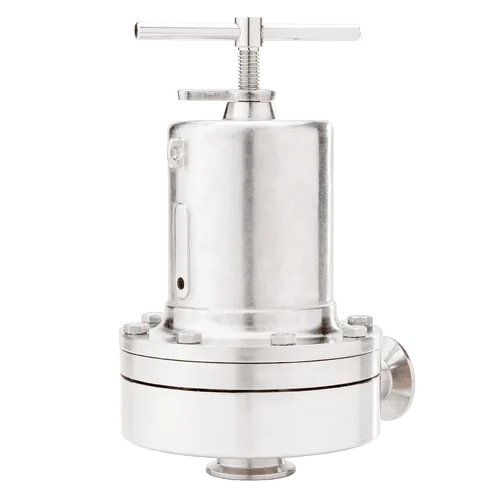 Mark 96 Series
 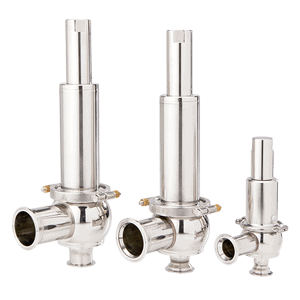 SSRV Series
 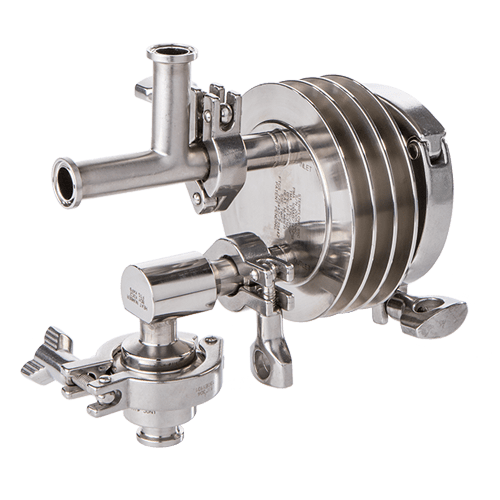 SSC Series