


Clean Steam for Cleanroom Humidification
Application: Pharmaceutical & Biopharmaceutical Cleanroom Humidification, HVAC Systems
Media: Clean Steam (Pure Steam)
Valve Requirement: Sanitary Pressure Reducing Valves (PRV), Sanitary Safety Relief Valves, Sanitary Control Valves, Sanitary Ball or Diaphragm Valves, Steam Separators, Clean Steam Traps
Maintaining the proper humidity in a pharmaceutical or biopharmaceutical cleanroom is about more than worker comfort. Humidity can affect drug product stability, sensitive biologics and APIs, electrostatic discharge, particulate attraction and the overall manufacturing environment. Clean steam provides a sanitary method of adding controlled moisture directly to cleanroom HVAC air while avoiding contaminants that could compromise a classified manufacturing space.
Why Is Humidity Controlled in Pharmaceutical Cleanrooms?
Cleanroom HVAC systems continuously introduce highly filtered and conditioned outdoor air into the manufacturing space. Depending on outdoor conditions—particularly during winter months—that air can become extremely dry. Pharmaceutical and biopharmaceutical facilities commonly target relative humidity levels between 40% and 60% RH.
Maintaining appropriate humidity helps:
- Protect drug product stability
- Reduce electrostatic discharge
- Reduce electrostatic attraction of particulates to surfaces
- Protect sensitive biologics and APIs from excessive drying or desiccation
- Maintain a more comfortable working environment for heavily gowned cleanroom personnel
Because the air is being introduced directly into an ISO-classified space, the quality of the steam used for humidification is particularly important.
How Clean Steam Humidification Works
Clean steam is injected directly into the HVAC ductwork through a steam injection lance.
The amount of steam entering the air stream is modulated based on the humidity requirements of the cleanroom. A humidity and temperature sensor monitors conditions, while a controller, PLC or Distributed Control System (DCS) adjusts steam flow to maintain the specified relative humidity.
But clean steam cannot normally travel directly from the facility distribution loop to the injection lance.
Its pressure must first be reduced and controlled.
Reducing Clean Steam Pressure for Humidification
Clean steam may enter the humidification system from the facility distribution loop at approximately 45–60 psig (3–4 barg). A sanitary pressure reducing valve reduces that pressure substantially—typically to approximately 3–5 psig (0.21–0.35 barg). Additional pressure reduction occurs as steam travels through the tubing, valves and other components leading to the injection lance. Final clean steam injection pressure is typically in the range of 1–3 psig, while HVAC duct pressure is generally only slightly above atmospheric pressure.
Accurate pressure reduction is therefore essential for creating a stable, controllable steam supply to the humidification system.
Sanitary Pressure Reducing Valve
A sanitary PRV is typically the first pressure-control component in the humidification system.
The Steriflow MK96 Sanitary Pressure Reducing Valve, often in sizes of 1½ inches or larger for this application, can reduce clean steam distribution pressure to the lower pressure required by the downstream humidification equipment.
Protecting the System From Overpressure
A sanitary safety relief valve is typically installed downstream of the PRV.
Its purpose is to protect the low-pressure portion of the humidification system if the pressure regulator fails.
The Steriflow SSRV Sanitary Safety Relief Valve can provide this overpressure protection. A typical installation may use a set pressure around the 15 psig (1 barg) ASME minimum limit, although lower set pressures are available depending upon system requirements.
On/Off Steam Isolation
Manual or automated sanitary valves provide isolation and on/off control throughout the system.
Depending upon system design, these may include:
- MK9020 Sanitary Ball Valves
- SV1 Sanitary Diaphragm Valves
These valves allow sections of the humidification system to be isolated for operation, cleaning or maintenance.
Removing Moisture Before Steam Reaches the Injection Lance
Steam quality matters in a humidification application.
A steam separator is recommended upstream of the final flow control valve and injection lance. The separator’s internal baffles provide additional surface area where entrained moisture can collect and separate from the steam flow. The collected condensate can then be removed through a sanitary steam trap at the bottom of the separator. This helps provide drier steam to the downstream flow control valve and injection lance.
Precisely Controlling Steam Flow
After pressure has been reduced and excess moisture removed, the system still needs to control exactly how much clean steam is injected into the HVAC air stream. Unlike the rapidly cycling poppet valves commonly used in autoclave applications, humidification flow control is well suited to a rising-stem sanitary control valve. The Steriflow MK978 Series Sanitary Control Valve modulates clean steam flow based on the signal from the humidification control system. As cleanroom relative humidity changes, the controller adjusts the valve position to increase or decrease clean steam flow to the injection lance. This provides continuous control rather than simply turning the steam supply on and off.
From Clean Steam Distribution to the Cleanroom
A typical clean steam humidification system follows this sequence:
Clean Steam Distribution
↓
MK96 Sanitary Pressure Reducing Valve
Reduces facility clean steam pressure to the lower pressure required by the humidification system.
↓
SSRV Sanitary Safety Relief Valve
Protects the downstream system from overpressure.
↓
Sanitary Isolation Valves
Provide manual or automated system isolation.
↓
Steam Separator
Removes entrained moisture from the clean steam.
↓
Sanitary Steam Trap
Drains separated condensate.
↓
MK978 Sanitary Control Valve
Modulates clean steam flow according to the humidity control signal.
↓
Steam Injection Lance
Distributes clean steam into the HVAC air stream.
↓
Cleanroom
A humidity and temperature sensor in the controlled space provides feedback to the PLC, DCS or stand-alone humidification controller, completing the control loop.
Designing a Reliable Clean Steam Humidification System
Reliable cleanroom humidity control depends on more than selecting a control valve.
The entire steam path must work together to deliver dry, properly regulated and precisely controlled clean steam to the HVAC system.
Important considerations include:
- Clean steam distribution pressure
- Required pressure reduction
- PRV sizing
- Overpressure protection
- Steam dryness
- Condensate removal
- Steam separator sizing
- Control valve sizing and turndown
- Injection pressure
- Required cleanroom relative humidity
Proper component selection helps create a stable steam supply and allows the control system to respond accurately as cleanroom humidity requirements change.
Need Help with a Clean Steam Humidification Application
Cleanroom humidification systems require accurate pressure reduction, effective moisture separation, reliable condensate removal and precise steam flow control.
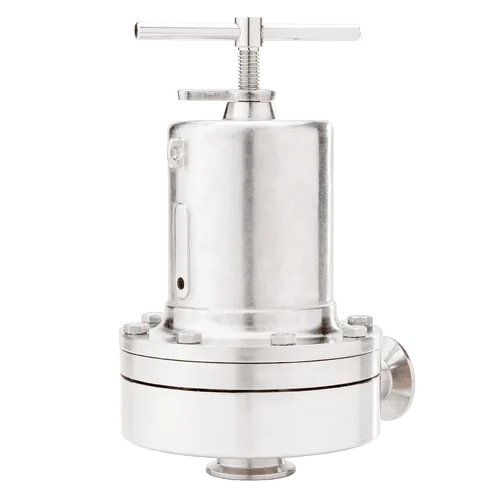 Mark 96 Series
 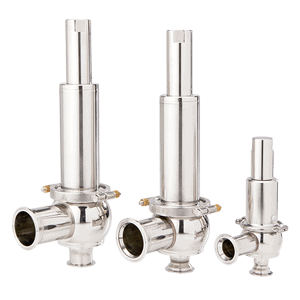 SSRV Series
 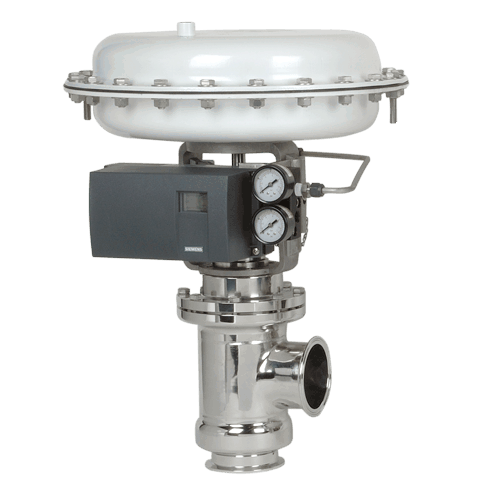 Mark 978 Series